Composer
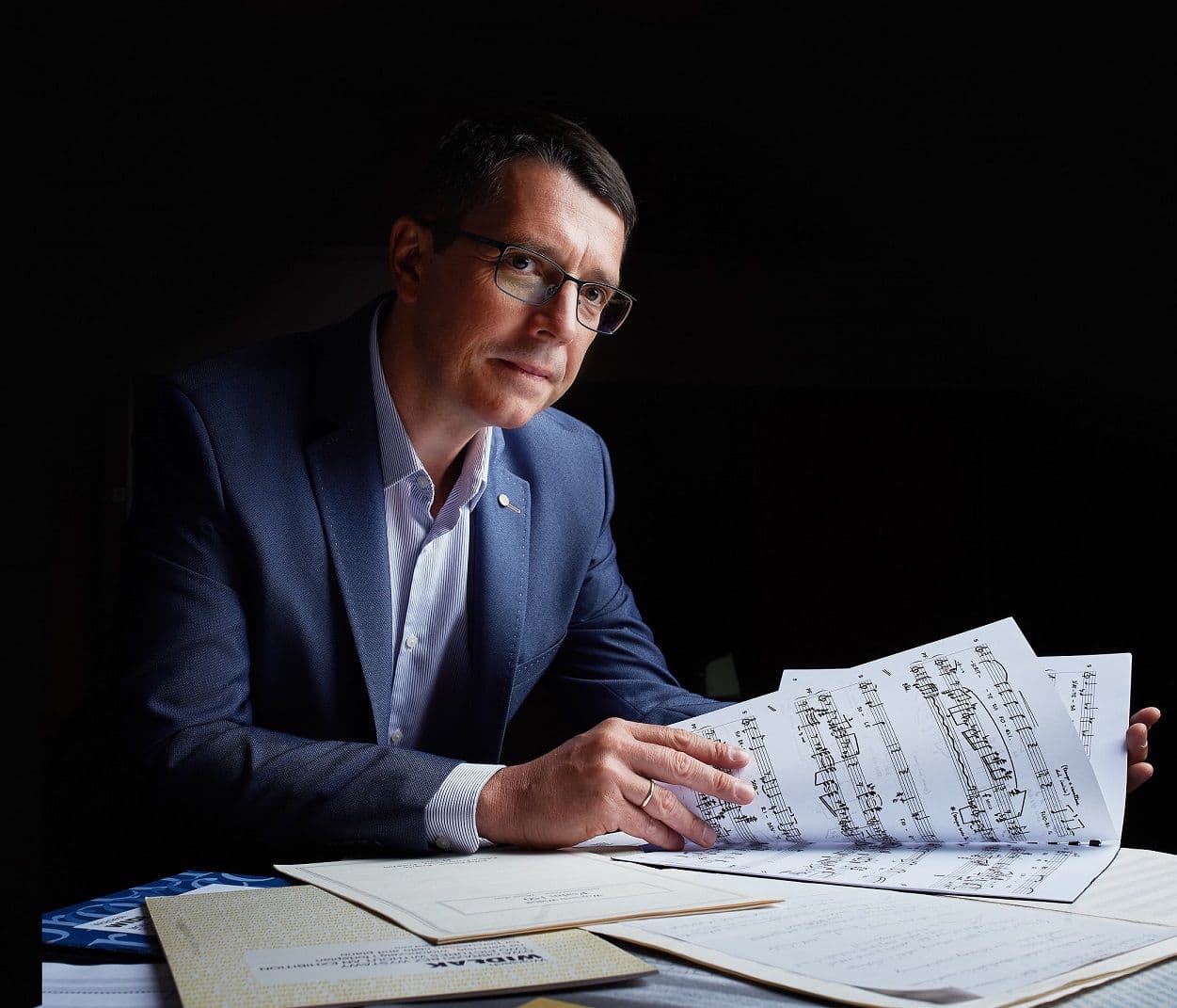
Wojciech Widłak
1 performance · edition 2019
Performance
Edition I (2019)
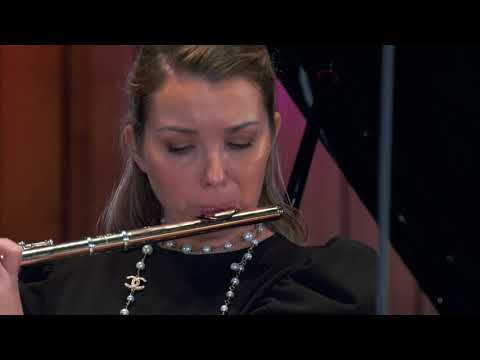
Horizons for Two Flutes and Piano (2017)
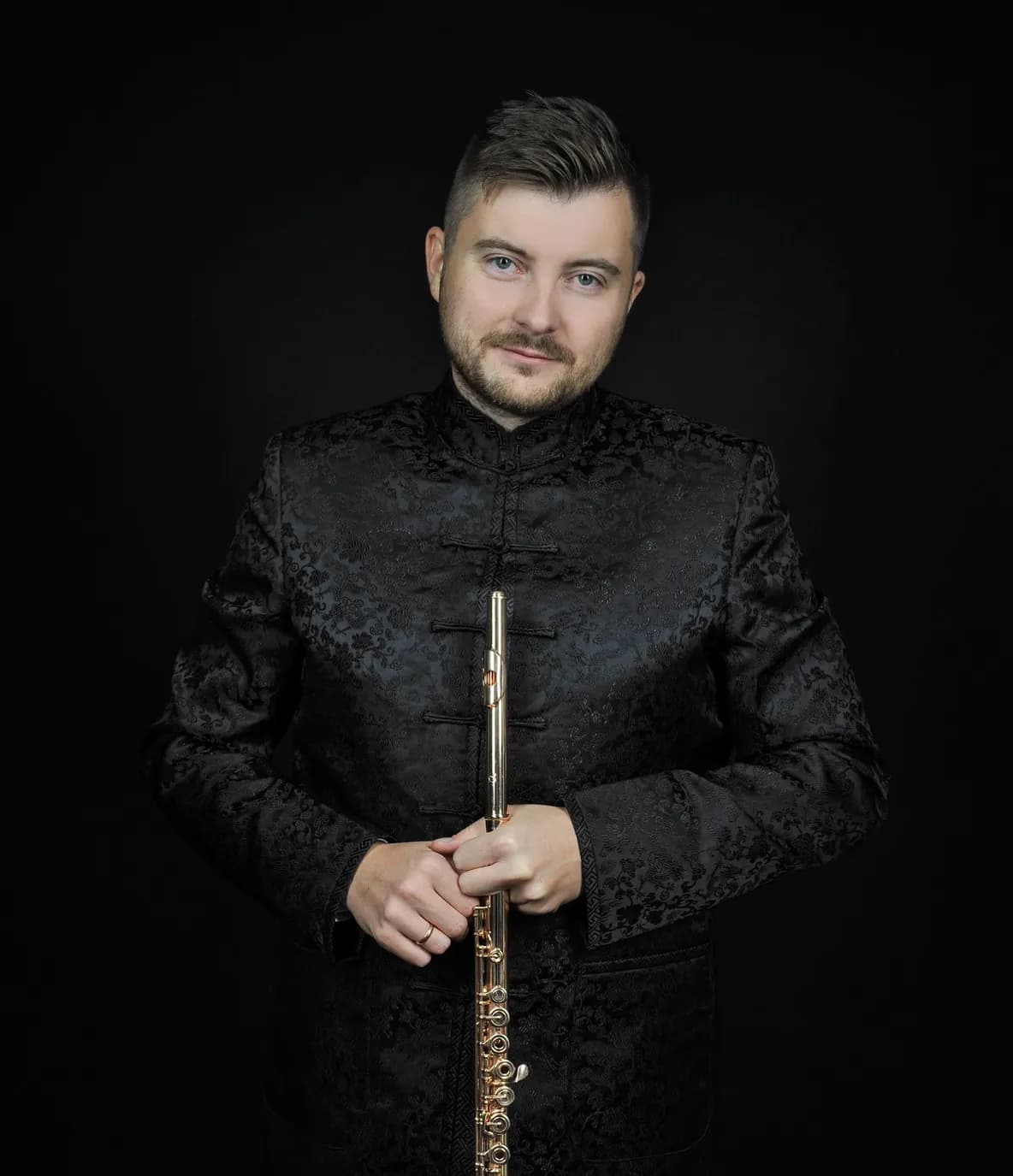
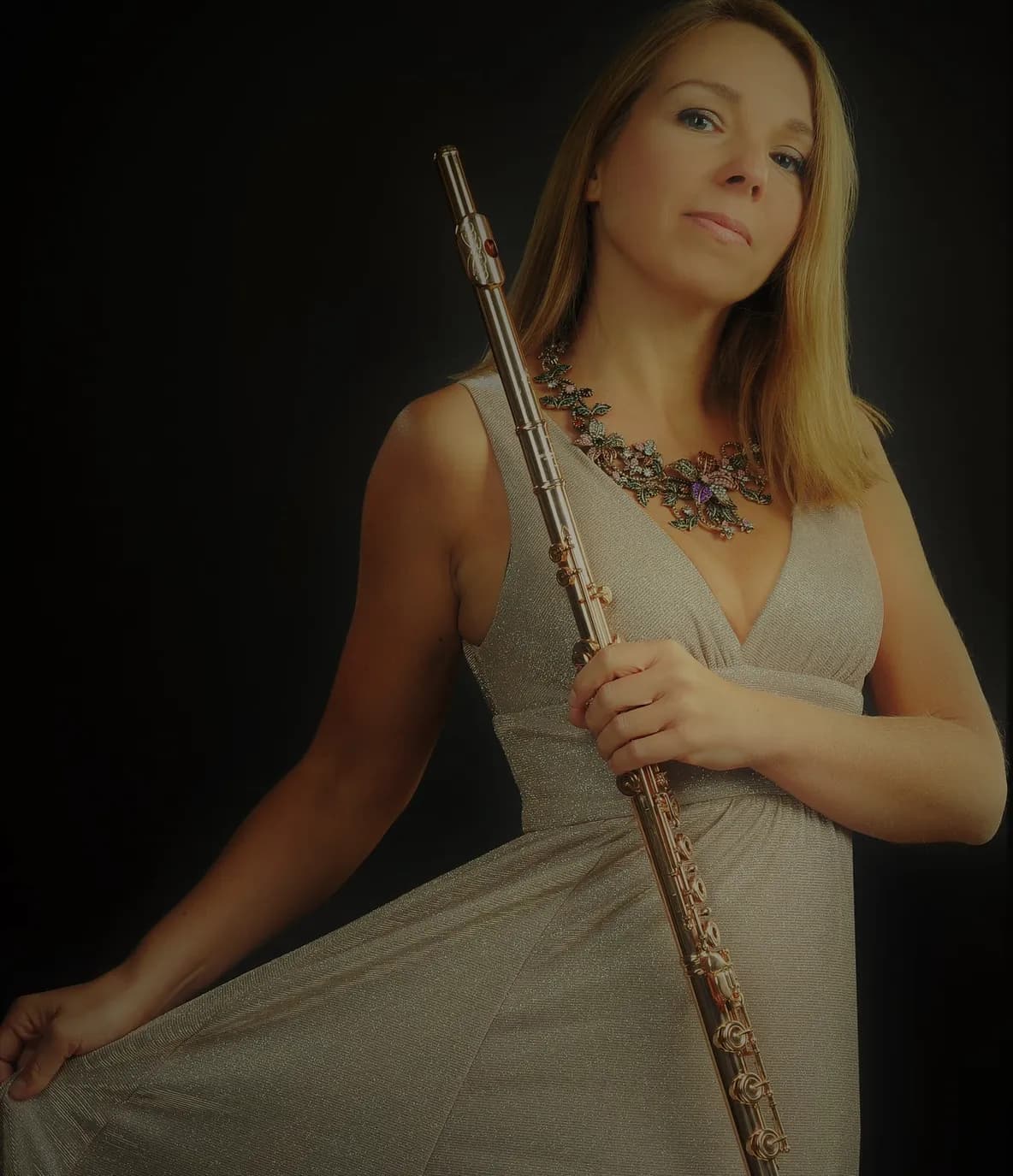
Performers: Agata Kielar-Długosz, Łukasz Długosz, Andrzej Jungiewicz
Biography
Born in 1971, a native of Kraków, he studied composition under Marek Stachowski (Kraków Academy of Music) and Hans Abrahamsen (Royal Danish Academy of Music in Copenhagen); he honed his craft under the guidance of Franco Donatoni, Per Nørgård, Goce Kolarovski and Robert Saxton. A graduate of Jan Jargon’s organ class.
Winner of international and national composition competitions, including the prestigious 56th UNESCO International Rostrum of Composers in Paris in 2006 (for Wziemięwzięcie for orchestra and organ), and recipient of scholarships in Poland, Denmark, the United Kingdom and Italy. He is the composer of several dozen works performed in 16 European countries, as well as in Turkey, the USA, Japan, South Korea, Argentina, Mexico and Azerbaijan; these have been recorded on over a dozen albums released in Poland (PWM), France, Germany and Italy, and commissioned by renowned institutions, artists and ensembles.
At the age of 41, he was awarded the title of professor by the President of the Republic of Poland. In 2005, he became Head of the Department of Composition, and from 2012 to 2020 he served as Dean of the Faculty of Creative Arts, Performance and Music Education at the Academy of Music in Kraków. At his home university, he runs a composition class attended by students from Poland and many other countries. By 2020, he had supervised seven doctoral theses in the field of the arts. He has given guest lectures and masterclasses in, amongst others, the USA, Israel, Turkey, Italy, Lithuania, Slovakia and Hungary. He has served as a juror on numerous occasions at composition competitions both in Poland and abroad. From 1998 to 2003, he was the first director of the Diocesan School of Church Music in Bielsko-Biała. He is a member of the Polish Composers’ Union.
In the 1990s, he employed traditional compositional techniques, including distinctive harmony, expressive rhythm and obsessive repetition. Since 2000, he has turned towards a more radical sound, multi-layered structure and the interplay of musical idioms. Recently, he has been exploring: intense expressiveness, microtonality, and his own concept of the „rotating harmonica”.
Source: art.pl · Photo: Bartek Barczyk, udostępnione przez PWM