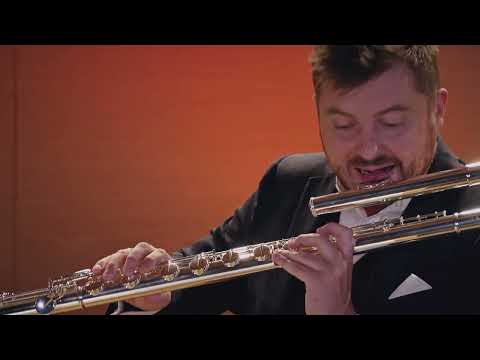
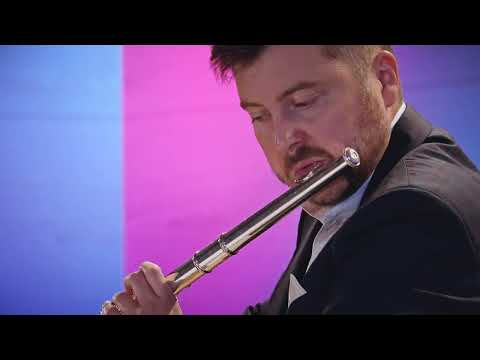
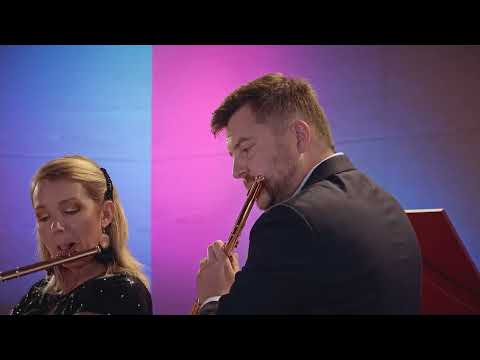
Dodecanzonetta for 2 flutes (2015)
Composer’s note
In the early 1960s, when I had already composed my first score for Television Theatre and was beginning to write the music for Singing Letters, the editorial team responsible for… agricultural programmes approached me with a proposal to compose the music for a short film showcasing the charms of the countryside – its buildings, forests, fields and lakes. I rejected the idea of drawing on folklore as too trite. I decided to draw on contemporary music instead.
I was fascinated by the twelve-tone technique, which also featured in the works of Polish composers, including Tadeusz Baird. I wrote a piece for solo soprano without lyrics, accompanied by a few instruments. I managed to compose a cantilena that emphasised the beauty of the Polish landscape. The piece ended with a tranquil instrumental coda, against which an actor recited a short poem by Andrzej Jarecki.
What a lovely moment it will be / when I become a wild swan / when, freed from the city’s shackles / I take root in the forest, or in fragrant lupins…
That is all I remember. I did not remember the names of either the soloist or the actor. When I received an offer to collaborate with Mr and Mrs Długosz, I immediately arranged the main melody for two flutes. And so the Dodecanzonetta came into being. If I have enough time, perhaps I shall write a Dodecanzona?
— Adam Sławiński
More materials
Composer’s commentary
Contemporary playing techniques
Composer
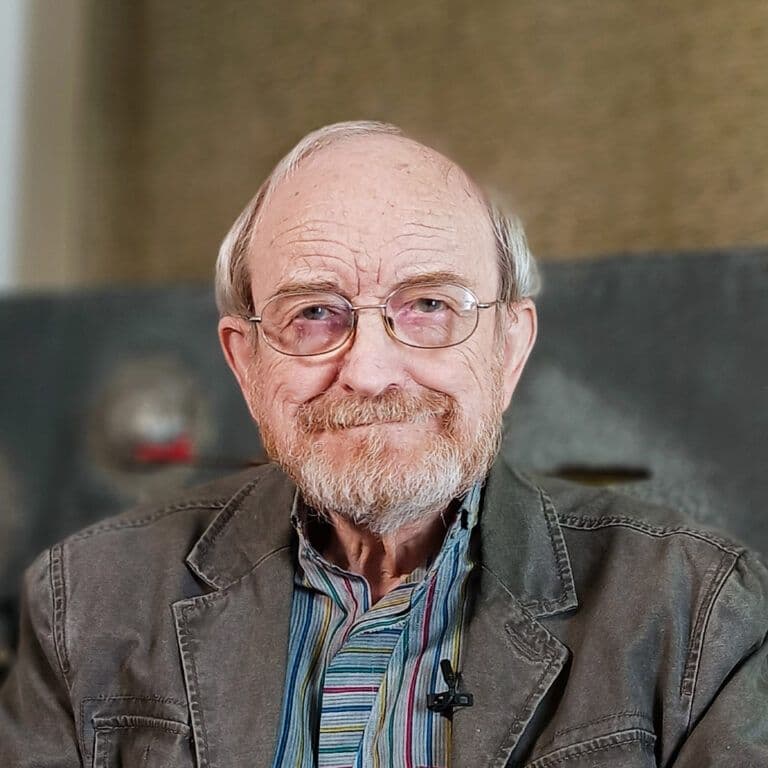
Adam Sławiński
A composer, pianist and music critic born on 27 November 1935 in „Leśniczówka” (an unofficial, family name) near Szamocin in the Poznań Voivodeship. He studied musicology at the University of Warsaw. As a student, he began writing for the magazines Ruch Muzyczny (1955), Jazz (1956–63) and Jazz Forum (from 1965).